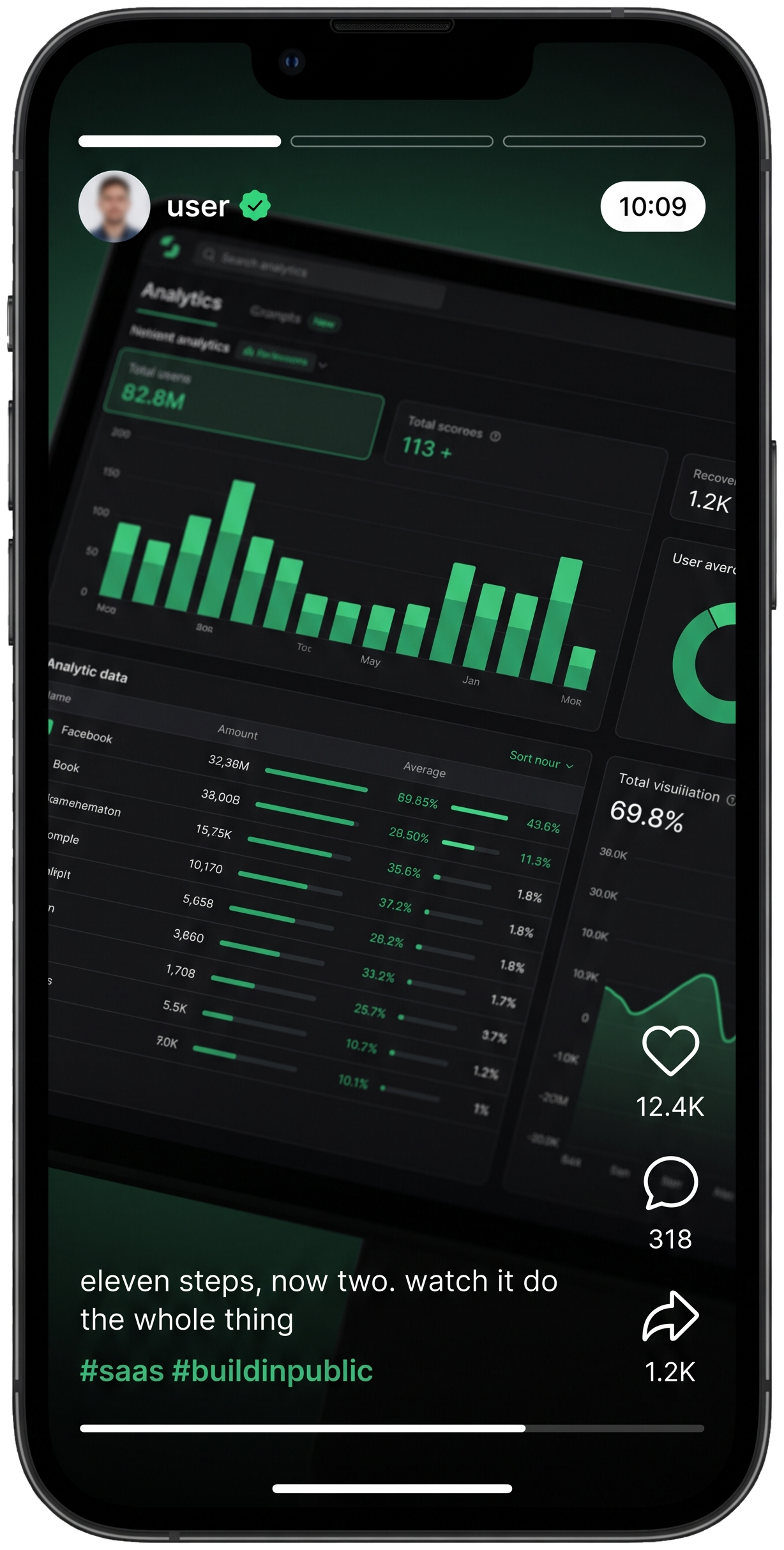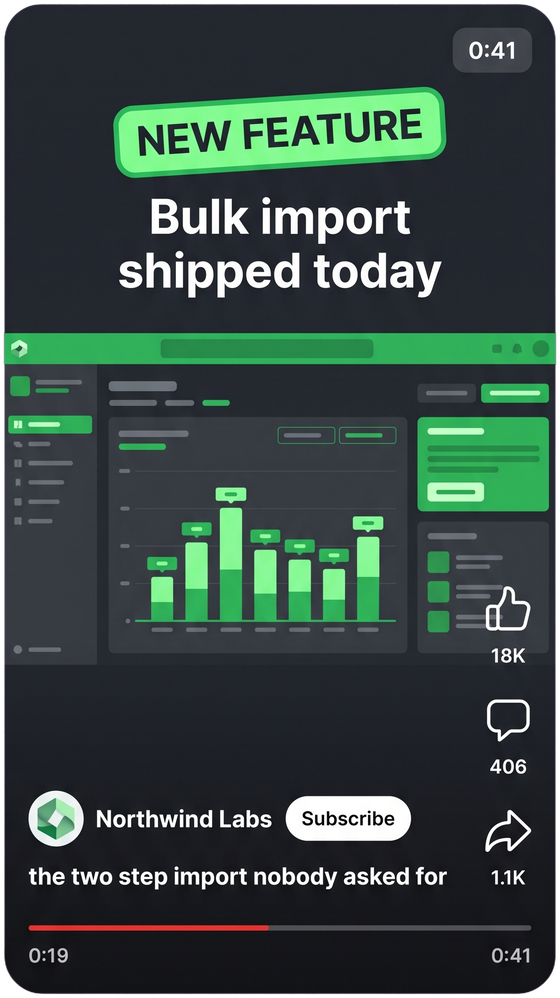
A demo nobody watchesis an expense.
Product led clipping turns a screen recording of your product into dozens of vertical clips, posted by real creators.
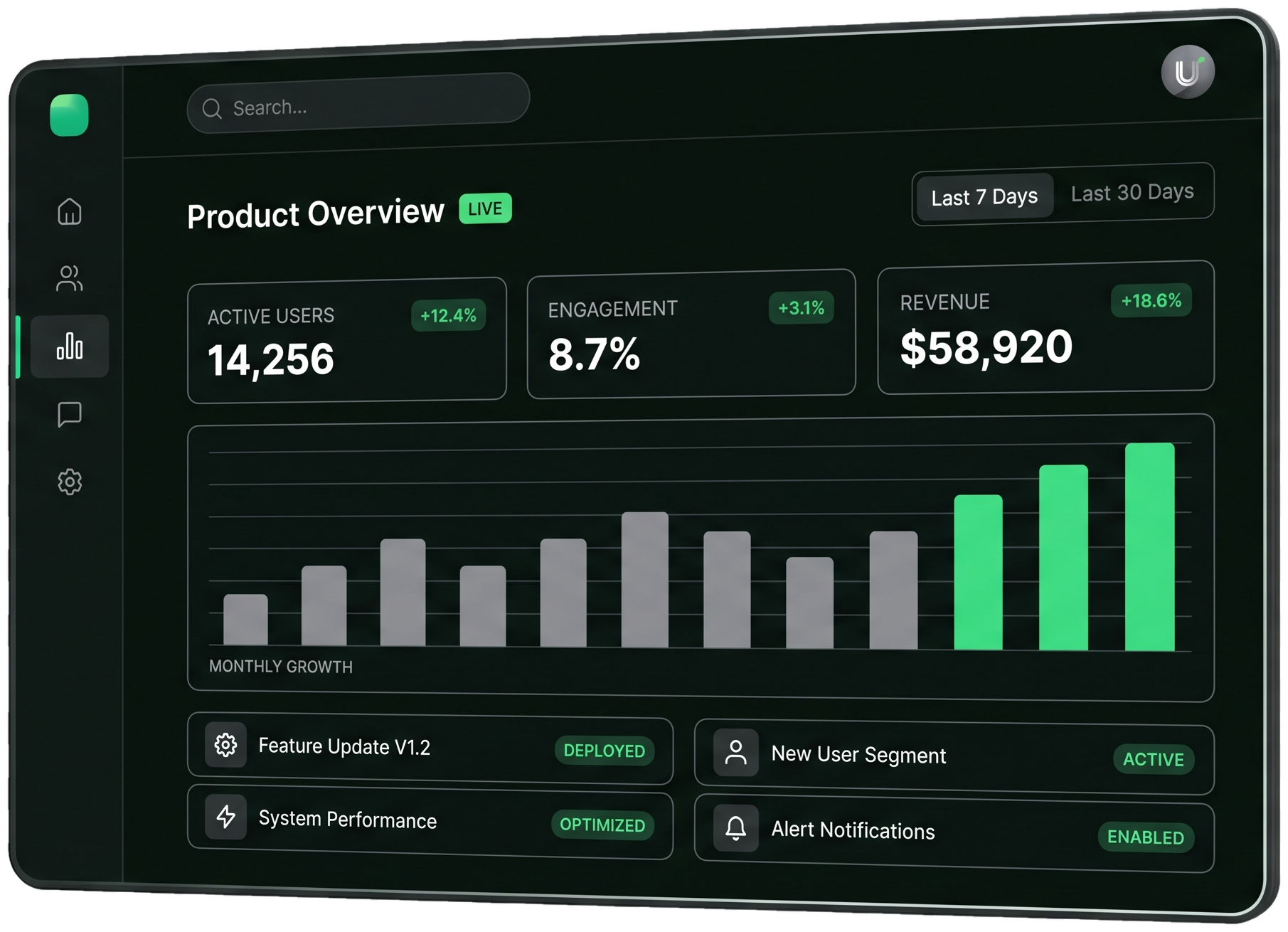
Dashboard
Your product, on screen
Clip
Posted natively
- It solves product demo distribution, not demo production.
- The clip is a screen recording. No presenter, no founder on camera.
- Creators post to audiences you do not own.
Clipping here means short form video. Not press clippings, not audio, not hair clippers.
Everyone prices making it.Nobody prices being seen.
A product demo has a published market rate. Ask what it costs to put that demo in front of people who have never heard of you, and the number disappears.
A working demo video, produced simply.
The bracket most quotes land in.
Concept, script, motion, the full build.
Per finished minute. Source: ContentBeta, 2026.
Every quote ends when the file is delivered. Nobody prices the next part.
The two numbers that describe the other half
Both are published, both are independently verifiable, and neither one appears on a page that sells demo production.
-
B2B SaaS websites that never show the product at all, in a 200 site audit
29.8%
Source: HowdyGo, 200 site audit, 2023
-
B2B marketers naming short form social their highest ROI video format
41%
Source: LinkedIn, 2025 B2B Marketing Benchmark, 1,462 respondents. Video formats only.
You have a five figure asset and a four figure audience. That is the whole problem, and it is the half this page prices.
Clip the product, not the person.
Product led clipping is short form video clipping where the product itself is the subject. A screen recording of the software is cut into vertical clips, and a network of creators posts those clips from their own accounts. Product led clipping solves distribution, not production.
What it is not
- A talking head clip
- A founder on camera
- A podcast cut
- An ad
- A tool that exports files and leaves you to post them
What it is
- The product on screen, doing the thing it does
- Cut by people, not by a template
- Posted by real creators from their own accounts
- Reaching audiences that have never heard of you
The difference is who is on screen and whose audience is watching. The product does the talking, and the creator owns the room.
Four things you already have on a hard drive.
None of this needs a shoot, a studio or a script. It needs someone to open the software and press record.
-
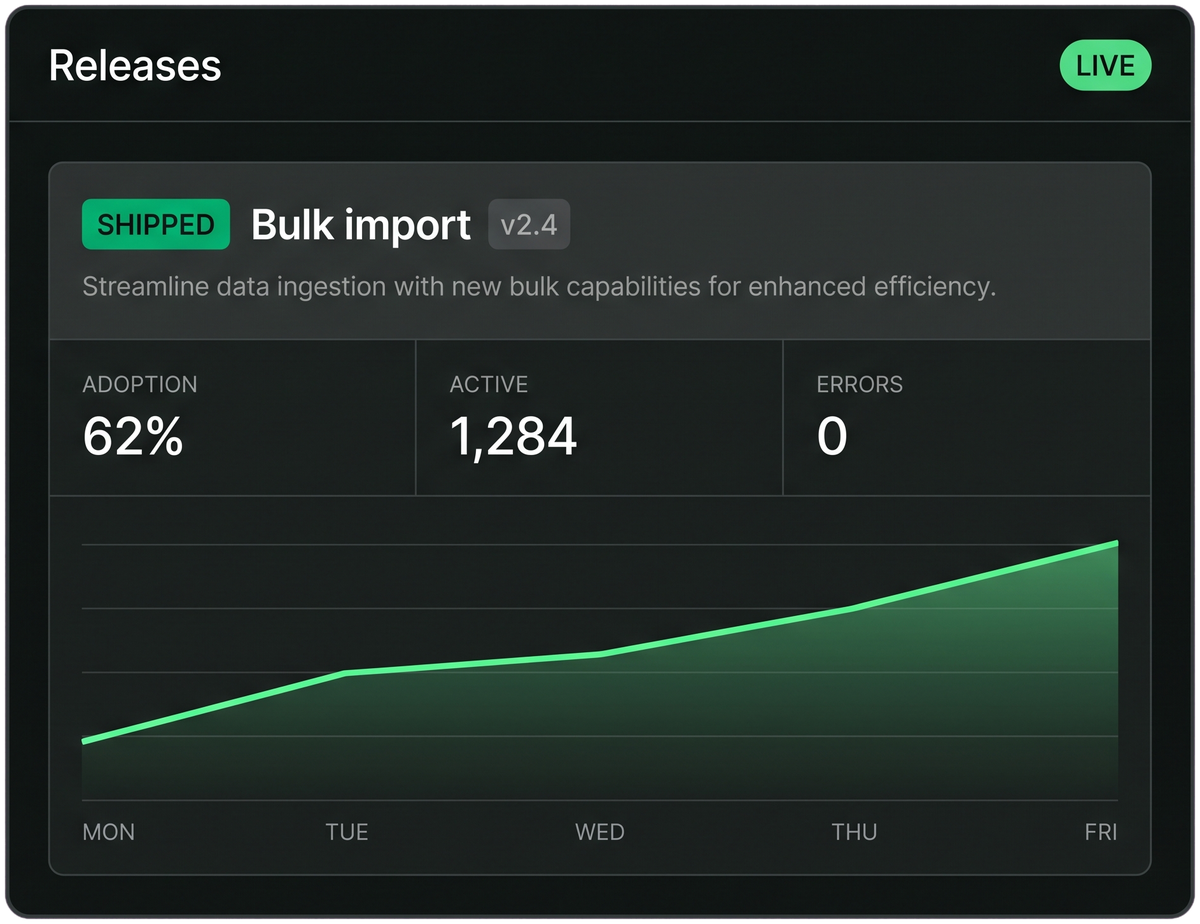
0101Feature releases
The new thing, working.
Why it travelsNovelty is the cheapest hook there is. Nobody has seen this yet, including the people who already pay you.
-
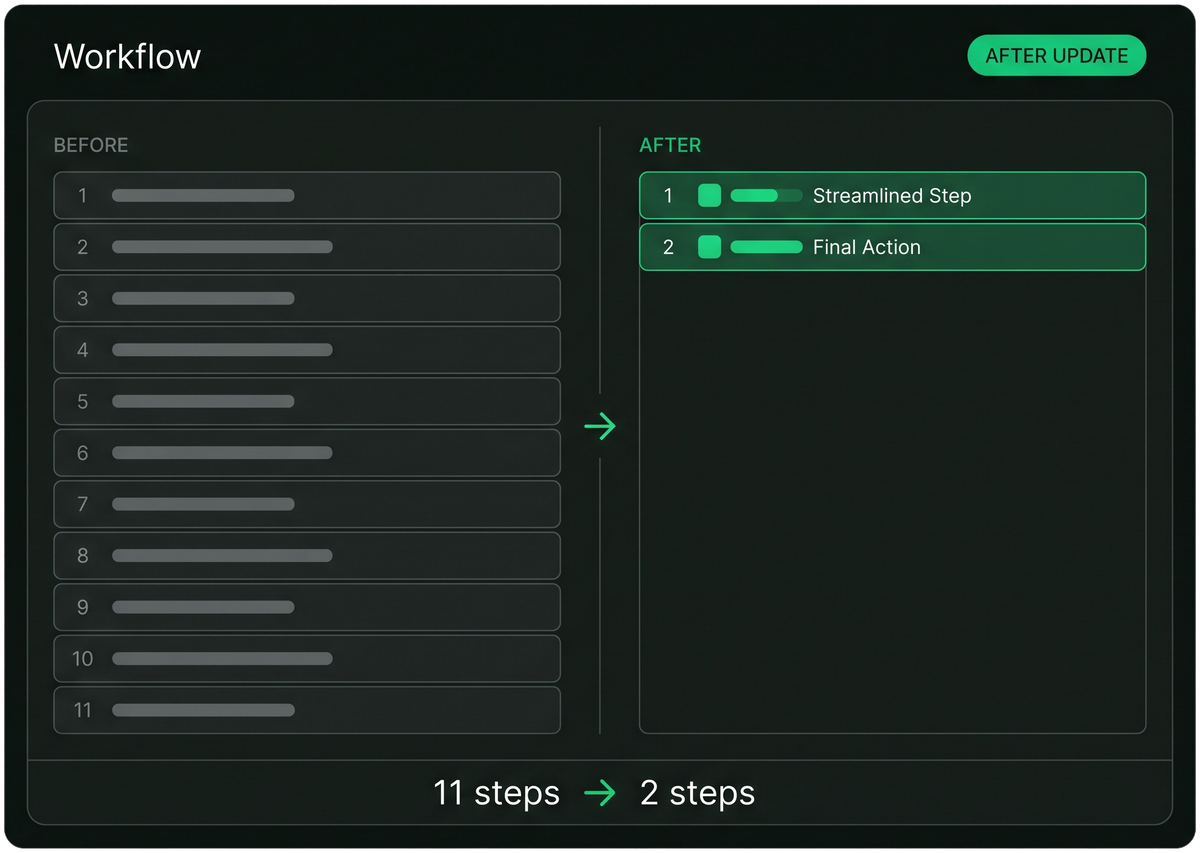
0202Before and after workflows
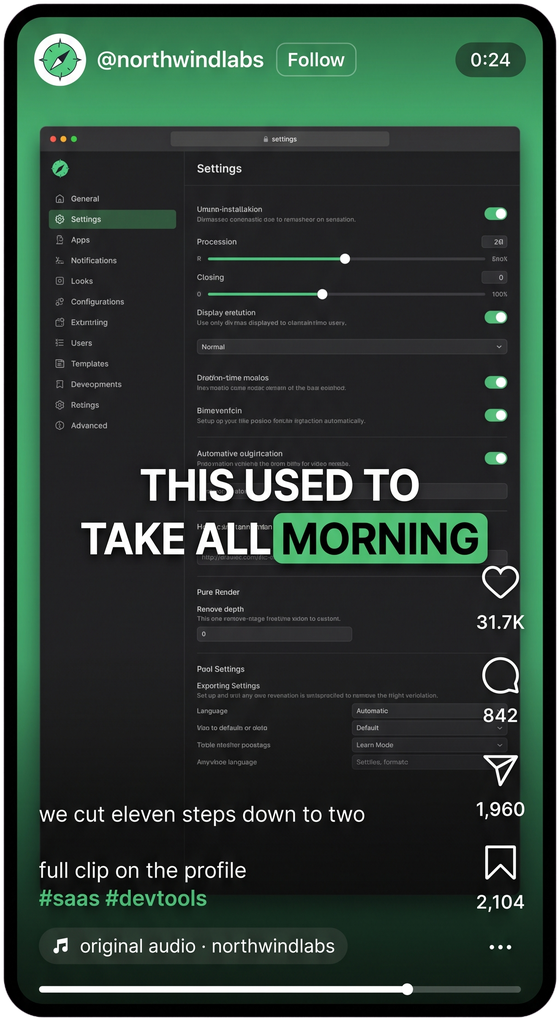
Eleven steps, then two.
Why it travelsThe viewer sees their own week in the before column, which is what makes them watch the after column.
-
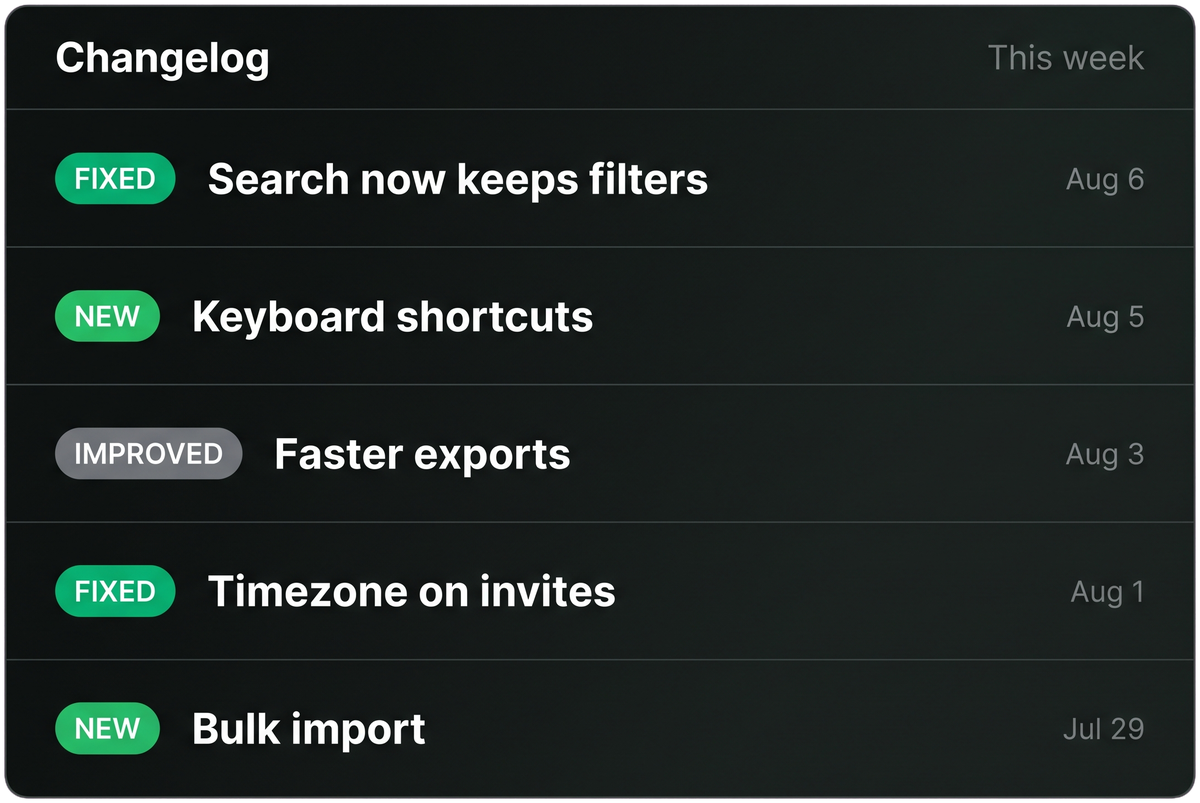
0303Changelog moments
A small fix people asked for.
Why it travelsProof the team ships. A shipped fix says more about a company than a page of positioning does.
-
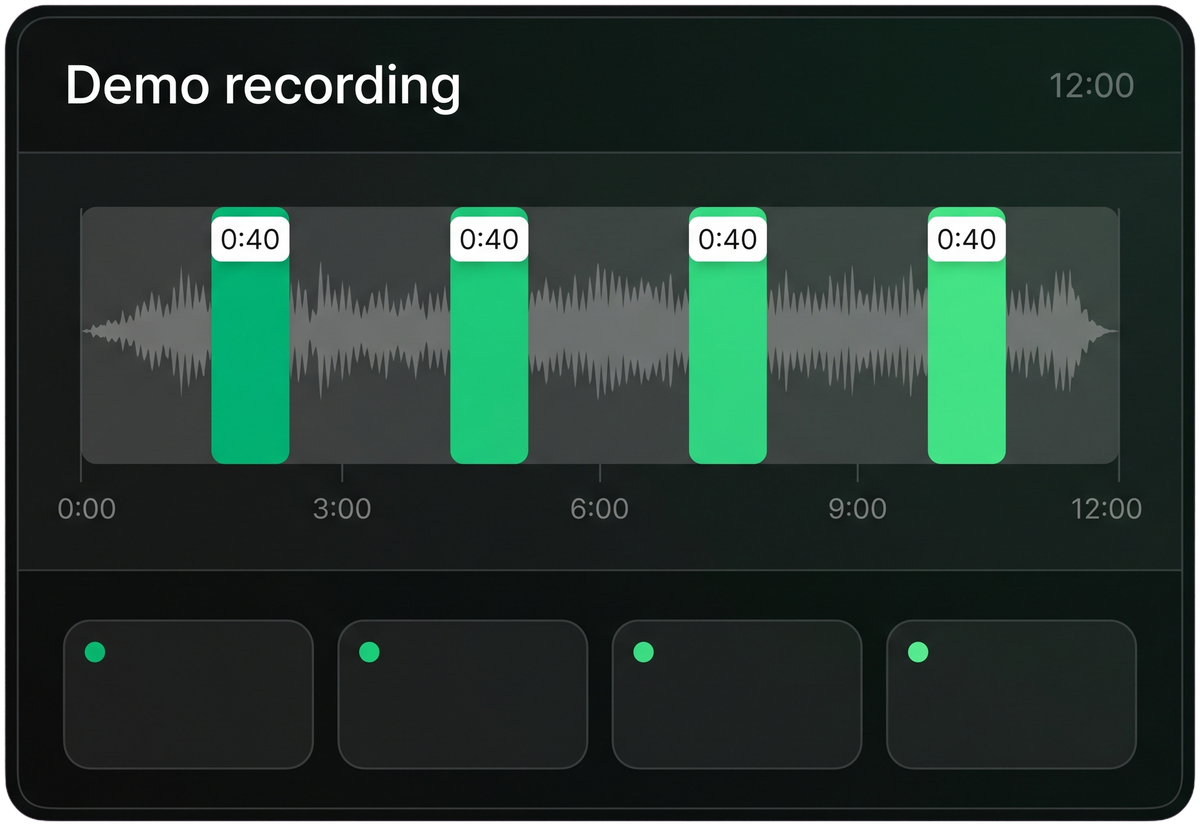
0404Demo cuts
The 40 second version of the 12 minute demo.
Why it travelsNobody watches 12 minutes cold. They will watch 40 seconds, and the 12 minutes is what they book after.
Cutting them is its own craft, and how a demo gets cut into clips is covered separately. This page is about what happens after the cut.
The audience is the product you are actually buying.
There are only three places reach comes from. Almost every answer to this question quietly assumes the first two.
-
Owned
Your homepage, your list, your company page
Everyone here already knows who you are. Reaching them again is retention spending wearing distribution clothes.
Already yours -
Rented
Paid social
Paid does reach strangers, and it stops the day the card stops. LinkedIn ads average a $20 to $45 CPM, with a median around $31 to $38.
Sources: The Jonas Agency, on Varos Q4 2025 data. Median from Closely.
Ends with the budget -
Borrowed
Audiences that already exist
62,900+ creators post from their own accounts, to people who have never heard of you and did not ask to be advertised at.
Stays up after
A post does not stop existing when the budget does. An ad does.
Every clip is counted the same way, which is what makes verified views a number rather than a claim, and how a campaign runs is set out separately, step by step.
Work out your cost per view.
Move both sliders. The left side is arithmetic on the numbers you enter. The right side is what the same budget buys on LinkedIn at their published rate.
At $5,000 for 500k views.
Views, at a $20 to $45 CPM. That is $0.020 to $0.045 per view.
- Views for your budget, at the numbers you entered 500k
- Views for the same budget on LinkedIn ads, best case at a $20 CPM 250k
At these numbers you would need 250k views before the budget matches LinkedIn at its cheapest.
LinkedIn CPM: $20 to $45 average, The Jonas Agency on Varos Q4 2025 data. Median $31 to $38, Closely. A CPM is the cost of one thousand impressions, so views at a $20 CPM cost two cents each.
Both figures on the left come from the numbers you typed. This page does not publish a rate, and the tool does not assume one.
A $10,000 budget, worked through.
The same sum as the tool above, fixed in place. Only one side of it needs a published price, and LinkedIn publishes theirs.
Start with a budget of $10,000 and one question. How many views does it have to produce to be worth spending?
A CPM is the cost of one thousand impressions. LinkedIn ads run at $20 to $45, so the same budget buys between 222k and 500k views.
At the median band, $31 to $38, the range tightens to 263k to 323k. That is the number most advertisers actually live with.
So the bar is the best case, not the average. Paid at its cheapest turns $10,000 into 500,000 views, at two cents each.
Clear this on $10,000 and clipping is cheaper than the cheapest paid impression. Miss it and paid wins.
CPM sources: $20 to $45 average, The Jonas Agency on Varos Q4 2025 data. $31 to $38 median, Closely.
The question is not whether clips are cheap. It is whether a campaign clears 500,000 views on a $10,000 budget. That is a number you can hold anyone to, including us, and it is the first thing worth asking on a call.
Making it and being seen are two different purchases.
They are usually bought as one line item, from one supplier, on one invoice. Asked six plain questions, they answer differently every time.
| The question | Making the demo | Getting it seen |
|---|---|---|
| What you are buying | Making the demoA finished file. | Getting it seenPeople watching it. |
| How it is priced | Making the demoPer finished minute, and published openly. | Getting it seenPer campaign, and almost never published at all. |
| When it ends | Making the demoThe day the file is delivered. | Getting it seenThe posts stay up. |
| Who sees the result | Making the demoWhoever already visits the page it sits on. | Getting it seenPeople who have never heard of you. |
| What you hold at the end | Making the demoA file you own outright, and can use anywhere, for years. | Getting it seenThe posts, the accounts they sit on, and the numbers behind them. |
| What happens when you stop | Making the demoYou keep the file, and nothing new reaches anyone. | Getting it seenEverything already posted keeps running. |
Row five is the one worth reading twice. Making the demo wins it outright, which is the reason both purchases exist and the reason neither one replaces the other.
Four steps. Only one is yours.
One recording goes in, clips come out, and you approve everything before any of it is posted.
Send one recording
Roughly 20 minutes is plenty, from something you already own.
We cut it, you approve
Every clip is sent back before anything goes out.
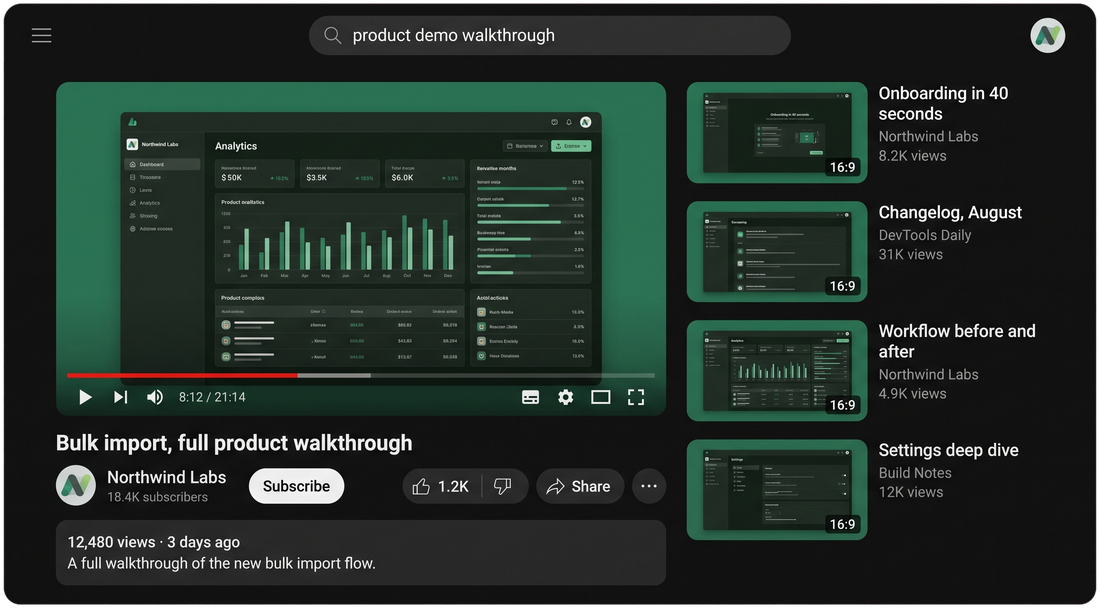

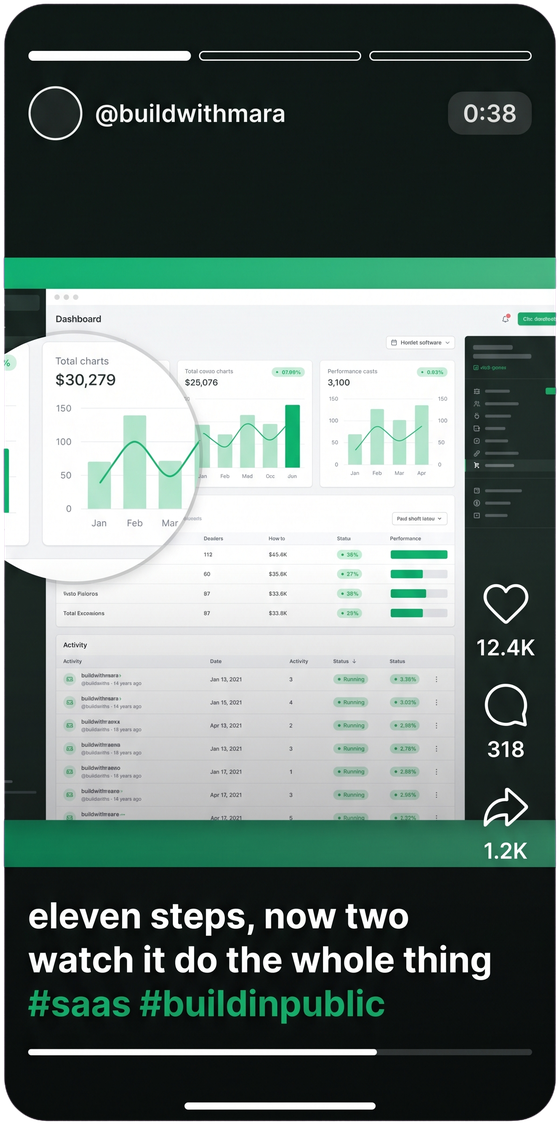
62,900+ clippers post
From their own accounts, in the format each platform rewards.
You pay for verified views
Views that were checked, not impressions that were served.
About five minutes of your time Clips live in 24 to 72 hours
That is the summary. If you want the full version, how a campaign runs end to end covers the approvals, the reporting and what happens in week two.
The same approach, on other people's products.
Every figure below is that brand's own campaign, not a network total.

We got all the attention we needed on our highest production YouTube series “the marketers” which is our most popular videos of all time now.
Wispr Flow

Lumina handled our short form distribution end to end: consistent organic reach, zero friction, and results we could actually track.
Adobe
- 100M+MidjourneyViews
- 50M+RiversideViews, across 7,982 clips
- 40M+MacroAIViews
Figures are per brand and published on luminaclippers.com. Both quotes are reproduced word for word from the same source.
The four reasons people say no.
Four sentences that end most conversations about this, and what is actually true about each one.
-
Our founder will not go on camera.
Good. Neither will the product, and the product is the better performer anyway. A face has to earn attention before it can hold it, which is why founder led content takes months to work and stops the week the founder gets busy. A screen recording starts from the thing the viewer actually wants to see. Nobody watches a product clip to find out who made it. They watch to find out whether it does the thing, and that answer is on the screen in the first four seconds. This is the whole reason the page exists.
-
We cannot show unreleased features.
You choose the recording, so nothing unreleased reaches it. Every clip is approved by you before it is posted, and that approval is a step in the process rather than a favour.
-
Our product is not visual enough.
Almost every product that says this is a dashboard, and a dashboard is the best format there is for a before and after. Eleven steps and then two is a visual argument.
-
Creators will get the details wrong.
Creators post, they do not write. The cut and the caption come from your recording and your approval, so there is no point in the process where somebody is describing your product from memory.
You pay for views, and only the ones we can verify.
- No retainer
- No price per clip
- Nothing for unverified views
The calculator above works with your own numbers, so you can size this before anyone speaks to you. What a campaign costs sets out the brackets, and how a view gets verified explains what we count and what we throw away.
The things people ask first.
How do I get my product demo watched?
A product demo gets watched by putting it in front of an audience that already exists, rather than waiting for people to reach the page it sits on. In practice that means cutting the recording into short vertical clips and having creators post them from their own accounts, so the clips appear in feeds belonging to people who have never visited your site. Publishing a demo on a website and an email list only reaches people who already know the company.
What does it cost to distribute a product demo video?
Distributing a product demo video is priced two ways. Paid social charges for impressions, and LinkedIn ads run at a published $20 to $45 CPM. Clipping is priced as a custom CPM per 1,000 verified views, set against the campaign rather than published as a list rate. The calculator on this page works out a cost per view from your own budget, and what a campaign costs sets out the brackets.
CPM source: The Jonas Agency, on Varos Q4 2025 data.Can you make clips from a product demo without a presenter?
Clips can be made from a product demo with no presenter at all. The source is a screen recording of the software, so the subject of every clip is the interface doing something rather than a person describing it. Captions carry the explanation, which is how most short form video is watched anyway, since a majority of feed viewing happens with the sound off.
Does clipping work if the founder will not go on camera?
Clipping works without a founder on camera, and product led clipping is built on that assumption. The performer is the product, so the recording needs a screen and no face. A founder led approach depends on one person being available and interesting on a schedule, and it stops the week that person gets busy. A screen recording does not have that dependency.
Is a screen recording good enough to clip?
A screen recording is enough to clip, and it is the preferred source. Roughly 20 minutes of unedited screen capture gives enough material for a set of clips, because the useful moments are the actions rather than the commentary. No studio, no lighting and no script are required. What matters is that the software is actually doing the thing, in real time, at a readable size.
How many clips can one product demo produce?
One product demo can produce dozens of clips. Vidico publishes a figure of 40 or more assets from a single demo on its own service page, and that is a video production company describing its own output rather than a distribution claim. The number depends on how much happens on screen: a demo that shows six distinct actions yields more than one that shows the same dashboard for twelve minutes.
Source: Vidico, own service page, 2026.Send one recording. Get a clip plan back.
Paste a link to any product recording you already have. We watch it and send back the plan we would run, whether or not you ever hire us.
One link is enough. No card, no form, and no obligation to do anything with it.
18B+ verified views delivered to date.