





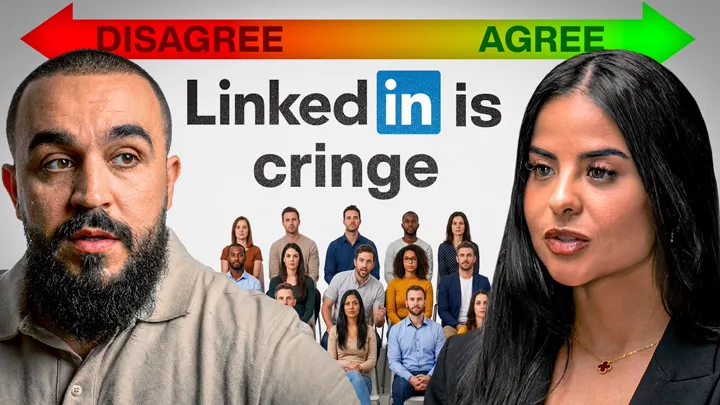
make at least one video a month
clip most to LinkedIn, then Instagram
AI SaaS ClippingPowered by Lumina Clippers

Content repurposing
Short-form video
Podcast clipping
Webinar repurposing
Product-led clipping
B2B video marketing
Developer marketing
Founder-led content

Creator network
Verified views
Pipeline attribution
AI search visibility
LinkedIn content
Product launch campaigns
Demo & explainer clips
Sales-enablement clips
Start a paid pilot
See all services
A short-form video agency turns long recordings and raw footage into short vertical clips for TikTok, Instagram Reels, YouTube Shorts, LinkedIn and X, but most stop at delivering the files. We go further and actually distribute them, with a network of 62,900+ creators posting those clips natively from their own accounts, and you only pay for verified views.


LIVE


The case for short-form is real and worth saying plainly, because three reasons come up again and again and all three hold up.
The number one ROI format in marketing, ahead of every other channel.
HubSpot, 2026 State of Marketing · 1,500+ marketersfinish a video under a minute, while barely one in five finishes one over twenty.
Vidyard, Video in Business Benchmark · 943,305 videos, 2024would rather get a short video from a creator than from a brand channel.
impact.com and EMARKETER · 4,500 users, Mar 2025Made and watched are not the same purchase
Every one of those wins quietly assumes the clip actually reaches someone new, but making it and being seen are two different steps, and the category only sells the first one.
Most pages in this category open by telling you your content is going to waste, and we'll skip that because it doesn't describe you. You already record the long form and you already cut it into clips, the same as almost everyone does now.
make at least one video a month
clip most to LinkedIn, then Instagram
clips generated in 2024, a 2,903% increase on the year before
So we're not going to sell you more clips.
You already did that work and the numbers say almost everyone has, which leaves the one question this whole category keeps skipping: after all those clips were made, who actually saw them?
Short-form in plain terms, plus the exact line most agencies never cross.
A short-form video agency takes long-form material or raw footage a company already has, whether that's a webinar, a podcast episode, a demo, a founder talk or a customer call, and rebuilds it into short vertical clips. Each one runs 12 to 35 seconds, reframed to 9:16 and captioned with the hook in the first one to two seconds, cut for TikTok, Instagram Reels, YouTube Shorts, LinkedIn and X.
Most short-form video agencies stop at the file. They deliver the clips, or publish them to accounts you already own, which caps the reach at the audience that already follows you.
A smaller number actually distribute, though the word gets used loosely here. For most it means posting to your own channels on a schedule, or buying ads, while for us it means the clips are posted natively by a network of 62,900+ independent creators, from their own accounts, to audiences you don't have.
You already did the hard part, or paid someone to, and the clips exist. Here's what happened to them once they went up on the same feeds your team posts to.
You made more than ever, but it reached the same people it always did.
You measured what you made, but almost nobody measured what got watched.
There are five ways short-form video gets priced and no competitor lays them side by side: self-serve tools, per-clip editing, editing subscriptions, monthly retainers, and one that barely exists at all, a rate on views. Every figure is read straight off that company's own site.
Prices as published by each company on its own site, August 2026.
Every agency quote ends the moment the file is delivered, and only a marketplace prices the watching.
You have been trained to distrust views, and fairly. But priced on views is more accountable than priced on videos, not less. You stop paying a retainer for output that may never be seen, and every view you are billed for is one that verifiably happened. It is the closest a media buy gets to paying only for the thing that has to happen first, someone watching. It is why we price clipping the product itself the same way.
53% now generate images and video with AI, while only 39% say their content performance improved.
CMI and MarketingProfs, B2B Content Marketing 2026 · 1,015 marketers
Only about 37% of marketers find it easy to tie social activity to business outcomes at all.
HubSpot, 2026 Social Media Marketing Report · 1,100+ marketers
Priced on the video you pay whether or not it works, but priced on the view you don't.
Let's concede the whole first half here. Your editor can make the clips and so can a fifteen-dollar tool, because we don't sell clip production. What no editor and no subscription can hand you is other people's audiences, and that's the only thing this network exists to provide.


This is a managed network with a defined verified view, creator vetting and a compliance answer, not a self-serve marketplace where anyone bids. It is how you get reach for a B2B buyer, carried on other people's accounts.
No mystery about what arrives or when. Here are the short-form video services stated in full: what you hand over, what comes back, what you sign off, and how fast it moves.
Anything over roughly twenty minutes works, and it can even be a recording from last year, since one source asset is enough to begin.
Taken from a typical session, with the hook placed in the first one to two seconds of each.
Once a clip is posted it's live on someone else's account, so the approval gate is the point of no return and we treat it that way. Brand voice and guidelines get settled here.
Every agency with a turnaround publishes one clock, but this model runs on two.
The first cut comes back for your approval, then clips are live in 24 to 72 hours from the strategy call.
Finished clips, captioned and reframed, posted from creator accounts with verified view counts. Live campaign samples with real posts get added here from your own account once it's running.
We're the only model on this page priced on views, which makes us the only one that actually has to define one. So here's the whole method, including the part that works against us.
We're paid per verified view, which means we have every incentive not to look too hard at whether a view was real. We're naming that before you do, because the rest of this section only counts if it actually answers it.
Left to the platforms a view is close to meaningless, since each one counts it differently and most of them count it early.
Every view is checked against the platform's own API before it counts toward a campaign, and any view that fails the check isn't billed.
A report of what was counted and what was thrown out, with rejections itemised rather than summarised.
Four ways to turn one recording into clips: a self-serve tool, an in-house hire, a traditional short form video company, and this. The same pattern holds whether you are doing developer marketing or selling to a boardroom. The first three hand you a file. Only one of them posts it to an audience you do not already have.
The tool and the agency disagree about who does the editing, but they agree completely about whose audience it lands in.
A newer option, the pay-per-view clip marketplaces, prices on views the way we do. The difference is that anyone can bid, nobody defines what a view is, and there's no vetting or compliance answer behind any of it.
Every figure below is that brand's own campaign, not a network total.

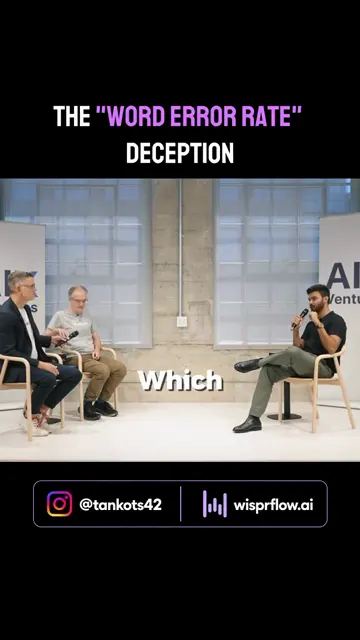
We got all the attention we needed on our highest production YouTube series “the marketers” which is our most popular videos of all time now.
Wispr Flow

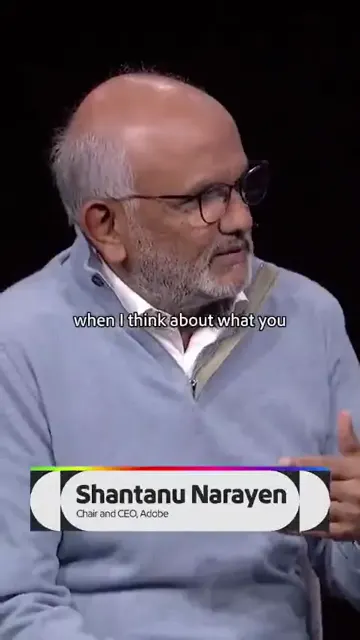
Lumina handled our short form distribution end to end: consistent organic reach, zero friction, and results we could actually track.
Adobe
Figures are per brand and published on luminaclippers.com. Both quotes are reproduced word for word from the same source.
The whole category invoices you for the making, so cross out every line of that bill, and one line is left, which only charges when the work is actually seen.
No contract to unwind, and you do not pay for views that did not happen. It is the same model behind how a clipping campaign works across everything we do: send one recording, pay when it is seen.
Pricing, platforms, ownership and where a short-form video agency stops. Every answer stands on its own.
A short-form video agency takes long-form material or raw footage a company already has, such as a webinar, podcast, demo or founder talk, and rebuilds it into short vertical clips of 12 to 35 seconds, captioned and reframed for a feed. Most agencies then deliver those clips, or post them to the client's own accounts.
Published prices run from $15 per month for a self-serve tool to $10,000 per month for a full editing and production retainer, with editing subscriptions working out around $31 per clip. Every one of those prices buys production, while we price on a custom CPM per 1,000 verified views, with campaigns from $5,000 to $200,000+.
That depends entirely on whether the clips are being watched. Most teams already produce video every month and already clip it, so making the clips is rarely the constraint. The constraint is distribution, because clips posted to a company's own accounts only reach the audience that already follows it.
For producing clips, largely yes, and from $15 per month. For distribution, no, because a tool cuts a recording and publishes to accounts the customer already owns, so reach is still capped by the audience they already had. The difference isn't editing quality, it's whose feed the clip lands in.
Fair, and short-form rarely closes a deal on its own. The honest problem is that only about 37% of marketers find it easy to tie social activity to business outcomes at all. What a pay-per-verified-view model changes is the risk, because instead of paying a retainer for videos that may never be seen, you only pay for views that verifiably happened on audiences you didn't already have. It's the first accountable step rather than a promise of attributed revenue.
They can. Instagram's originality rules, introduced for reels in April 2024 and extended to photos and carousels in April 2026, stop accounts that primarily post unoriginal content from appearing in recommendations to new audiences, and Instagram states that adding a border, watermark, subtitles or a credit doesn't make a repost original. YouTube's policy on Generic or Repetitive Content, effective 15 July 2025, makes mass-produced or repetitive content ineligible for monetisation. So clips distributed across a creator network have to be differentiated per creator rather than duplicated.
Every view is checked through platform APIs before it counts toward a campaign, with failed views never billed, and this matters legally as much as commercially. The FTC's Rule on the Use of Consumer Reviews and Testimonials, 16 CFR Part 465, effective 21 October 2024, makes it unlawful to buy or sell fake indicators of social media influence, including views generated by bots or hijacked accounts, that the buyer knew or should have known were fake.
With most agencies it's the client's own accounts. With us, clips are posted natively by a network of 62,900+ independent creators from their own accounts, to audiences the client doesn't have. They're organic posts on real accounts rather than paid placements, and they stay live after a campaign ends.
A clipping marketplace prices on views the way we do, but it's a self-serve bidding market where anyone can bid, nobody defines what a view is, and there's no vetting or compliance behind it. We're a managed network with a defined verified view, creator vetting, per-clip brand-safety review and FTC-compliant disclosure. The model is the same, but the accountability isn't.
Who owns the clip, the licence the creator holds and whether posts stay live after the engagement ends are all set out in your agreement and confirmed on the scoping call before anything starts.
Clips go live 24 to 72 hours from the strategy call. This model runs on two clocks, one to clips and one to views, where most competitors publish a single turnaround figure.
Companies that need clips for their own channels and nothing else are better served by a tool or a production shop, since both are cheaper for that job. This model only makes sense if the goal is reach beyond an audience you already have.
Paste a link to any recording you already have, whether that's a webinar, a podcast, a demo or a talk, and we'll send back the plan we'd run, covering the moments worth cutting, the hook for each and where every clip belongs.
paste a link to your recording Send a recordingPrefer to talk first? Book a 15 minute call.